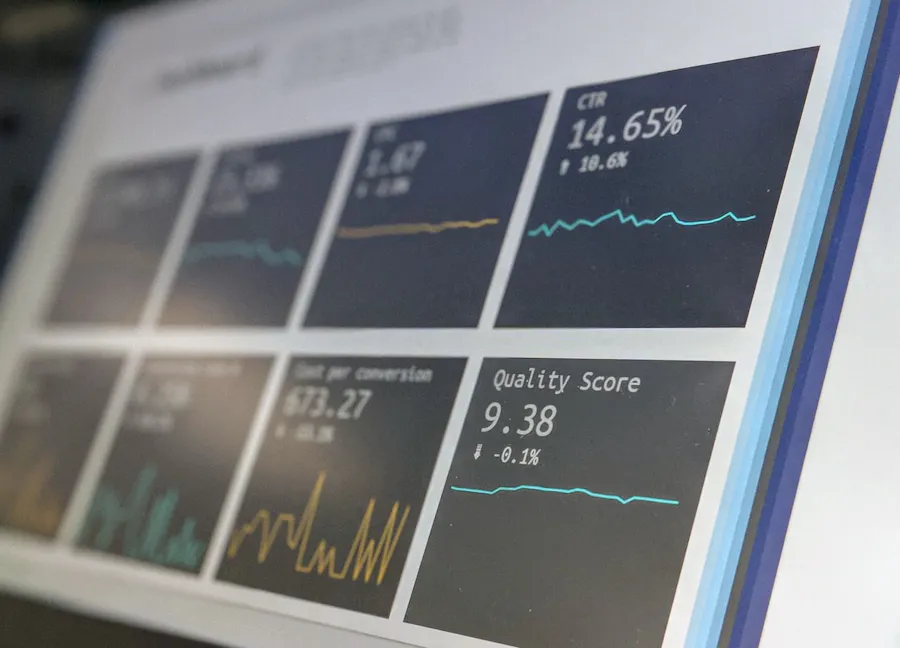
How, as an organizer, can you know if your event met its objectives? How do you get statistics on these events? How do you get a dashboard (ideally in real time) on the quality of the speakers, the caterer, the atmosphere of the evening? Finally, how can you be sure you're reaching your marketing objectives?
To ask these questions, it's essential to anticipate the event's objectives (because you need to have planned the tools to effectively measure this data beforehand):
Determine operational KPIs based on your event's strategic and/or marketing objectives:
Your objectives define your event typology:
Do you want to create a warm atmosphere to thank your employees for a year of good results (strategic objective)? You could organize a thank-you gala (typology), which means having a very good caterer (operational KPI)!
If you want to impress your prospects (strategic objective) and reassure them about who you are, a product launch evening (typology) would be more appropriate, so you'd focus on creating a real show (operational KPI).
Now imagine you're a company executive and your objective is to measure buy-in to the vision as well as manager enthusiasm. Hold a Top Management roadmap meeting and measure your managers' enthusiasm with host and hostess questionnaires as attendees leave the room or through live polls during virtual events.
Some KPIs are self-explanatory: if plates come back empty at your gala and the canapés disappear within an hour, that's a clear win on the catering side.
Similarly, if your sales team runs out of business cards at your product launch, your event is a solid success!
OK, but what about return on investment?
As with any marketing or communication practice, you'll need to show that you generate more revenue (or qualified leads) than you cost the company. Event indicators let you measure certain results with precision. The results from these various surveys should also be weighed against your event's cost and its number of attendees.
You'll of course need to factor in opportunity costs (an employee spending time in training rather than doing their usual tasks) as well as indirect costs (the salaries of the team that organized the event, for example).
If you're an event agency, your client company will need maximum visibility into its return on investment in order to keep running events with you.
- In short, this gives us the following ROI formula, which contains two important elements:
The score: this is naturally the average score across all the objectives you just defined.
The cost: (Direct cost + indirect cost + opportunity cost of the event) / (Number of event attendees)).
The higher your average score and the lower your Cost/Attendee, the more your event has met its objectives (and vice versa).
All this data is collected before, during, and after the event. We'll leave it to you to adapt our formula to your event, but it's very important to settle on a calculation method once and stick with it over time. This lets you compare results and see what works and what doesn't (so you're aware of your mistakes and don't repeat them).
How do you measure qualitative criteria?
Without becoming a KPI obsessive, you should be able to quantitatively measure the performance of an event (which is qualitative in nature, which sounds paradoxical) by asking the right questions:
- Overall, are you satisfied with the event? (Using a Likert scale, for example, with no "no opinion" option, to push the respondent to make a choice)
- Did this event let you meet people you hadn't spoken with at the office?
- Should we change caterers for our next event?
- Would you like a vegan menu for the next gala?
You shouldn't measure too many KPIs, to keep things simple, but you've certainly got the idea. If your communication strategy relies on emails sent to your database, don't hesitate to create a post-event feedback survey and ask all these questions. Your company's impact on your contacts will only be stronger for it!
Other tools and metrics exist: both specialized blogs and social media can help spread the word about your event to grow your audience. In terms of metrics, you can add a Net Promoter Score (NPS), like the one often offered at the end of a purchase journey. This type of survey may or may not be relevant depending on the number of attendees. It's especially relevant for larger events. You can also have hosts and hostesses collect responses from your attendees, letting you effectively assess your event's performance.
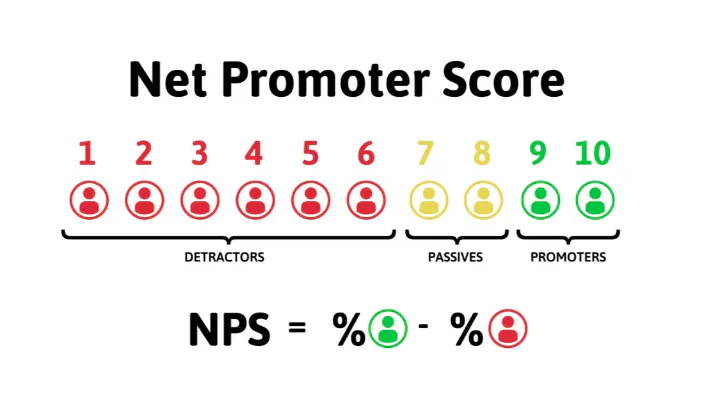
You can also measure reactions and replies to the thank-you-for-attending email, or on internal messaging tools (such as Slack, WhatsApp, etc.), where group reactions can be read as a digital applause meter. Sentiment analysis like NPS or digital applause meters gives you objective data to track an event's performance over time.
3 quick tips to boost your events:
62% of organizers are looking for new ideas, according to an Eventmanager survey, so we thought we'd share some tips:
- Don't hesitate to survey your employees beforehand: offer them several themes for the event and let them choose the one they like best, the entertainment they'd like to see, which workshops to run, etc. You could even give them a short training session on the digital tools you'll be using during your event. All this investment will improve your brand image and increase guest satisfaction and experience.
- If you're organizing an internal event, why not buck the trend and involve your employees in organizing it? A good meal always tastes better when you cook it yourself. This adds to the overall experience you're building for your team around the event.
That said, involvement can cut both ways. A team can be put in charge of organizing certain parts of the event, but don't try to delegate everything, or you risk looking like you're not really the organizer!
- And why not invite a speaker who has nothing to do with your business? An inspiring talk on a different topic can inspire employees and potentially give them a new lens for coming up with ideas.
Invite a karate champion for your sales team, a medical researcher for your developers, or a university professor for your product team, for example!
And what about Digitevent?
Digitevent helps you maximize attendance by sending reminder emails (ahead of the event), creating segments, and using personalized variables. You can integrate your content (or your clients') directly into your event website.
With our tool, you can also create a post-event satisfaction survey with data on each key part of the event: venue, caterer, topic covered, speaker relevance, overall score, etc.
Don't forget to keep communicating about the event after it ends, and to collect feedback from your guests!